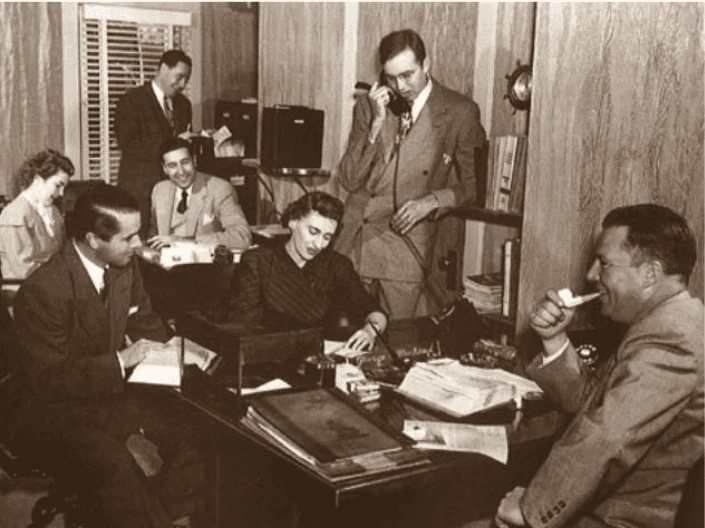
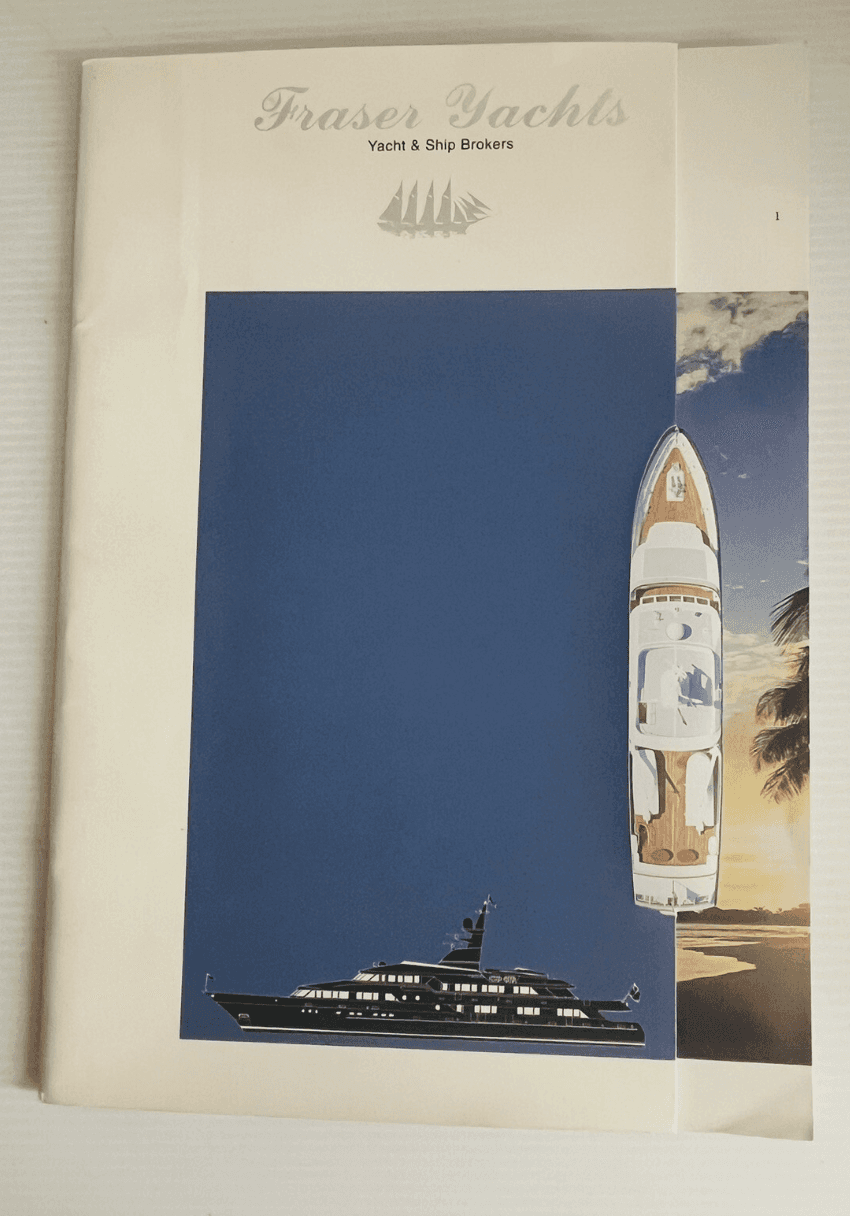
For more than 75 years, Fraser Yachts has shaped the modern landscape of luxury yachting. From its beginnings in post-war California to its position today as one of the most respected brokerage houses in the world, the company’s story is not just about boats bought and sold—it is a story of people, values, and vision.
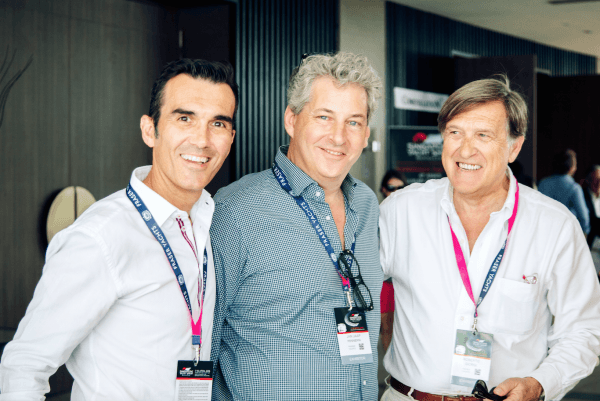
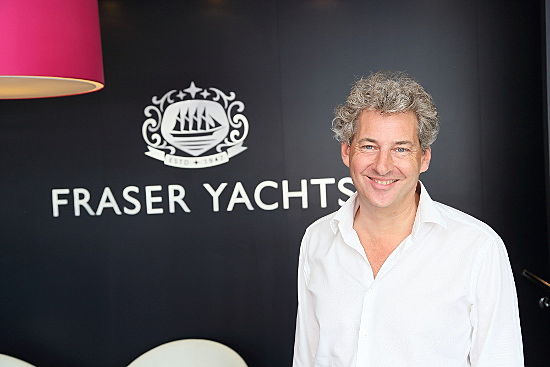
Among those who carry this legacy forward is Monaco-based senior broker Jan-Jaap “JJ” Minnema. With over two decades at Fraser, JJ has witnessed the evolution of the industry firsthand and remains one of its most trusted figures.
“Yachts come and go,” JJ says. “Relationships last. That’s always been the Fraser way.”
Where It All Began: David L. Fraser’s Practical Genius
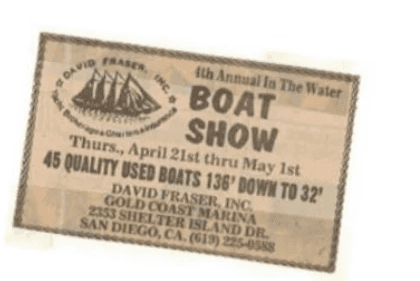
The story starts in 1947 with David L. Fraser, a young U.S. Navy veteran who spent his childhood building makeshift boats from scrap wood and experimenting with whatever tools he could find.
He opened Fraser Yacht Sales with little more than his Navy pension and a belief that doing right by people matters more than anything else. His philosophy became legendary inside the company: “Your integrity and the trust of your clients—those are the only things you truly own.” That mindset would go on to shape Fraser’s culture for generations.
Fraser Goes Global: The Monaco Expansion
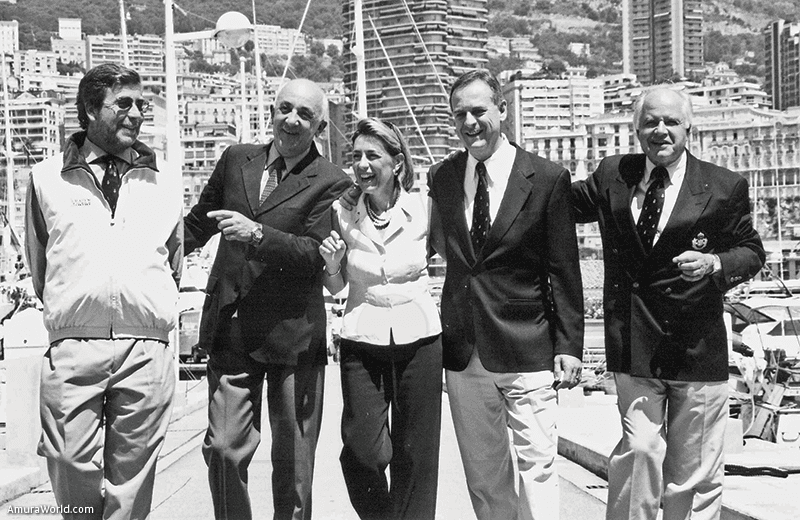
The opening of Fraser’s Monaco office in the early 1990s marked more than an address change, it was the moment the company stepped firmly onto the global stage. What had begun as a strong American brokerage suddenly found itself at the crossroads of North American ambition, European heritage, and the growing interest of emerging markets.
With Monaco office came a new rhythm: international clients, multi-year build projects, long meetings in shipyard boardrooms, and collaborations with designers whose work would soon become iconic. The job also shifted. Brokers were no longer working only within local markets; they were moving across borders, cultures, and time zones. The conversations became wider, deeper, more strategic.

A Changing Industry: New Tastes, New Ambitions
As yacht ownership spread across continents, the very idea of a yacht began to change. Owners weren’t simply buying vessels; they were buying possibilities of long-distance cruising, better family time, multi-generational living, privacy, personalisation, and an escape tailored entirely to their lifestyle.
It was the era when certain launches captured the imagination of the entire industry. Not necessarily because they were bigger, but because they felt different. Lady Moura in the ’90s, Rising Sun in the 2000s—these weren’t just yachts, they were statements. They influenced the way clients thought about space, comfort, architecture, and what a yacht could mean to their life.
For brokers like those at Fraser, these shifts reshaped every conversation. Clients wanted more than options; they wanted understanding. They expected their broker to interpret not just the technicalities, but the emotion behind a brief: how a family moves, how they entertain, what they need from the sea and from each other.
Fraser brokers became translators between ambition and reality, interpreting dreams and matching them with shipyard expertise. This was the world JJ entered in the 2000s, a world expanding fast, reshaped by shifting expectations and the early stirrings of a more global yachting culture.
“You had to know the people, the culture, the shipyards, the designers,” JJ recalls. “It was a brokerage job, but it was also diplomacy and problem solving.”
Mentorship and the Fraser Way
What truly set Fraser apart was its internal culture.
David Fraser believed strongly in mentorship, long before mentorship became a formal part of business vocabulary. He encouraged his brokers to learn from one another, to share knowledge openly, and to give younger colleagues the confidence to grow.
He also supported diversity, bringing women into sales roles well ahead of the industry curve.
This approach fostered an environment where brokers stayed for decades—and clients stayed even longer.